Go to Index page
Levirate Marriage Yavam) - Devarim 25:5-6
Ketuvim Megilot scrolls
Rut רות) Ruth Chapter 4 - Rashi
1 , 2 ,
3 , 4
Go to Index page
Levirate Marriage Yavam) - Devarim
25:5-6
Keyword: Redeem, gaal- 9 times; Goel, geulah; arise, fruitful
4:1 ¶ וּבֹ֨עַז עָלָ֣ה הַשַּׁעַר֮ וַיֵּ֣שֶׁב שָׁם֒ וְהִנֵּ֨ה הַגֹּאֵ֤ל עֹבֵר֙ אֲשֶׁ֣ר דִּבֶּר־בֹּ֔עַז וַיֹּ֛אמֶר ס֥וּרָה שְׁבָה־פֹּ֖ה פְּלֹנִ֣י אַלְמֹנִ֑י וַיָּ֖סַר וַיֵּשֵֽׁב׃
Uvo'az alah hasha'ar vayeshev sham vehineh hago'el over asher diber-bo'az vayomer surah shevah-poh peloni almoni vayasar vayeshev.
And Boaz went up to the gate and sat down there, and, behold, the redeemer of whom Boaz spoke came by unto whom he said, Ho, such a one! (פְּלֹנִ֣י אַלְמֹנִ֑י) Come here and sit down. And he came and sat down.
4:2 וַיִּקַּ֞ח עֲשָׂרָ֧ה אֲנָשִׁ֛ים מִזִּקְנֵ֥י הָעִ֖יר וַיֹּ֣אמֶר שְׁבוּ־פֹ֑ה וַיֵּשֵֽׁבוּ׃
Vayikach asarah anashim miziknei ha'ir vayomer shevu-foh vayeshevu.
Then he took ten men of the elders of the city and said, “Sit down here.” So they sat down.
4:3 וַיֹּ֙אמֶר֙ לַגֹּאֵ֔ל חֶלְקַת֙ הַשָּׂדֶ֔ה אֲשֶׁ֥ר לְאָחִ֖ינוּ לֶאֱלִימֶ֑לֶךְ מָכְרָ֣ה נָעֳמִ֔י הַשָּׁ֖בָה מִשְּׂדֵ֥ה מוֹאָֽב׃
Vayomer lago'el chelkat hasadeh asher le'achinu le'Elimelech macherah No'omi hashavah missedeh Mo'av.
And he said to the redeemer, “No'omi, who has returned from the land of Mo'av, has to sell the plot of land which belonged to our brother Elimelech.
4:4 וַאֲנִ֨י אָמַ֜רְתִּי אֶגְלֶ֧ה אָזְנְךָ֣ לֵאמֹ֗ר קְ֠נֵה נֶ֥גֶד הַֽיֹּשְׁבִים֮ וְנֶ֣גֶד זִקְנֵ֣י עַמִּי֒ אִם־תִּגְאַל֙ גְּאָ֔ל וְאִם־לֹ֨א יִגְאַ֜ל הַגִּ֣ידָה לִּ֗י ׳וְאֵדַע׳ ״וְאֵֽדְעָה֙״ כִּ֣י אֵ֤ין זוּלָֽתְךָ֙ לִגְא֔וֹל וְאָנֹכִ֖י אַחֲרֶ֑יךָ וַיֹּ֖אמֶר אָנֹכִ֥י אֶגְאָֽל׃
Va'ani amarti egleh oznecha lemor keneh neged hayoshevim veneged ziknei ami im-tig'al ge'al ve'im-lo yig'al
hagidah li v'eda' v'ede'ah ki ein zulatecha lig'ol ve'anochi achareicha vayomer anochi eg'al.
“So I thought that I would inform you, saying, ‘Buy it before those who are sitting here, and before the elders of my people.
If you will redeem it, redeem it; but if not, tell me so that I may know; for there is no one except you to redeem it, and I am after you.’” And he said, “I will redeem it.
4:5 וַיֹּ֣אמֶר בֹּ֔עַז בְּיוֹם־קְנוֹתְךָ֥ הַשָּׂדֶ֖ה מִיַּ֣ד נָעֳמִ֑י וּ֠מֵאֵת ר֣וּת הַמּוֹאֲבִיָּ֤ה אֵֽשֶׁת־הַמֵּת֙ ׳קָנִיתִי׳ ״קָנִ֔יתָה״ לְהָקִ֥ים שֵׁם־הַמֵּ֖ת עַל־נַחֲלָתֽוֹ׃
Vayomer Bo'az beyom-kenotecha hasadeh miyad No'omi ume'et Rut hamo'aviyah eshet-hamet kaniti kanitah lehakim shem-hamet al-nachalato.
Then Bo'az said, “On the day you buy the field from the hand of No'omi, you must also acquire Rut Mo'aviyah, the widow of the deceased, in order to raise up the name of the deceased on his inheritance.”
4:6 וַיֹּ֣אמֶר הַגֹּאֵ֗ל לֹ֤א אוּכַל֙ ׳לִגְאוֹל־לִגְאָל־לִ֔י׳ פֶּן־אַשְׁחִ֖ית אֶת־נַחֲלָתִ֑י גְּאַל־לְךָ֤ אַתָּה֙ אֶת־גְּאֻלָּתִ֔י כִּ֥י לֹא־אוּכַ֖ל לִגְאֹֽל׃
Vayomer hago'el lo uchal lig'ol-lig'al-li pen-ashchit et-nachalati ge'al-lecha atah et-ge'ulati ki lo-uchal lig'ol.
Then the redeemer said, “I cannot redeem it for myself, otherwise I would jeopardize my own inheritance. Redeem it for yourself; you may have my right of redemption, since I cannot redeem it.”
4:7 וְזֹאת֩ לְפָנִ֨ים בְּיִשְׂרָאֵ֜ל עַל־הַגְּאוּלָּ֤ה וְעַל־הַתְּמוּרָה֙ לְקַיֵּ֣ם כָּל־דָּבָ֔ר שָׁלַ֥ף אִ֛ישׁ נַעֲל֖וֹ וְנָתַ֣ן לְרֵעֵ֑הוּ וְזֹ֥את הַתְּעוּדָ֖ה בְּיִשְׂרָאֵֽל׃
Vezot lefanim beYisra'el al-hage'ulah ve'al-hatemurah lekayem kol-davar shalaf ish na'alo venatan lere'ehu vezot hate'udah beYisra'el.
Now this was the custom in former times in Yisra'el concerning the redemption and the exchange of land to confirm any matter: a man removed his sandal and gave
it to another; and this was the way of confirmation in Yisra'el.
4:8 וַיֹּ֧אמֶר הַגֹּאֵ֛ל לְבֹ֖עַז קְנֵה־לָ֑ךְ וַיִּשְׁלֹ֖ף נַעֲלֽוֹ׃
Vayomer hago'el levo'az keneh-lach vayishlof na'alo.
So the redeemer said to Bo'az, “Buy it for yourself.” And he removed his sandal.
4:9 ¶ וַיֹּאמֶר֩ בֹּ֨עַז לַזְּקֵנִ֜ים וְכָל־הָעָ֗ם עֵדִ֤ים אַתֶּם֙ הַיּ֔וֹם כִּ֤י קָנִ֙יתִי֙ אֶת־כָּל־אֲשֶׁ֣ר לֶֽאֱלִימֶ֔לֶךְ וְאֵ֛ת כָּל־אֲשֶׁ֥ר לְכִלְי֖וֹן וּמַחְל֑וֹן מִיַּ֖ד נָעֳמִֽי׃
Vayomer
Bo'az lazekenim vechol-ha'am edim atem hayom ki kaniti et-kol-asher le'Elimelech ve'et kol-asher lechilyon umachlon miyad No'omi.
Then Bo'az said to the elders and all the people, “You are witnesses today that I have bought from the hand of No'omi all that belonged to Elimelech and all that belonged to Chilyon and Makhlon.
4:10  וְגַ֣ם אֶת־ר֣וּת הַמֹּאֲבִיָּה֩ אֵ֨שֶׁת מַחְל֜וֹן קָנִ֧יתִי לִ֣י לְאִשָּׁ֗ה לְהָקִ֤ים שֵׁם־הַמֵּת֙ עַל־נַ֣חֲלָת֔וֹ וְלֹא־יִכָּרֵ֧ת שֵׁם־הַמֵּ֛ת מֵעִ֥ם אֶחָ֖יו וּמִשַּׁ֣עַר מְקוֹמ֑וֹ עֵדִ֥ים
אַתֶּ֖ם הַיּֽוֹם׃
Vegam et-Rut haMo'aviyah eshet Makhlon kaniti
li leishah lehakim shem-hamet al-nakhalato velo-yikaret shem-hamet meim ekhav
umishaar mekomo edim atem hayom:
“Furthermore, I have acquired Rut Mo'aviyah, the widow of Makhlon, to be my wife in order to raise up the name of the deceased on his inheritance, so that the name of the deceased will not be eliminated from his brothers or from the court of his birth place; you are witnesses today.”
4:11 וַיֹּ֨אמְר֜וּ כָּל־הָעָ֧ם אֲשֶׁר־בַּשַּׁ֛עַר וְהַזְּקֵנִ֖ים עֵדִ֑ים יִתֵּן֩ יְהוָ֨ה אֶֽת־הָאִשָּׁ֜ה הַבָּאָ֣ה
אֶל־בֵּיתֶ֗ךָ כְּרָחֵ֤ל׀ וּכְלֵאָה֙ אֲשֶׁ֨ר בָּנ֤וּ שְׁתֵּיהֶם֙ אֶת־בֵּ֣ית יִשְׂרָאֵ֔ל וַעֲשֵׂה־חַ֣יִל בְּאֶפְרָ֔תָה וּקְרָא־שֵׁ֖ם בְּבֵ֥ית לָֽחֶם׃
Vayomru kol-ha'am asher-basha'ar vehazekenim edim yiten Adonai et-ha'ishah haba'ah
el-beitecha keRachel uchele'ah asher banu sheteihem et-beit Yisra'el va'aseh-chayil be'Efratah ukera-shem beveit lachem.
And all the people who were in the court, and the elders, said, “We are witnesses. May Adonai make the woman who is coming into your home like Rachel and Le'ah, both of whom built the Beit Yisra'el; and may you achieve wealth in Efratah and become famous in Beit Lechem.
4:12 וִיהִ֤י בֵֽיתְךָ֙ כְּבֵ֣ית פֶּ֔רֶץ אֲשֶׁר־יָלְדָ֥ה תָמָ֖ר לִֽיהוּדָ֑ה מִן־הַזֶּ֗רַע אֲשֶׁ֨ר יִתֵּ֤ן יְהוָה֙ לְךָ֔ מִן־הַֽנַּעֲרָ֖ה
הַזֹּֽאת׃
Vihi veitcha keveit Peretz asher-yaledah Tamar lihudah min-hazera asher yiten Adonai lecha min-hana'arah hazot.
“Moreover, may your house be like the house of Peretz whom Tamar bore to Yehudah, through the descendants whom Adonai will give you by this young woman.”
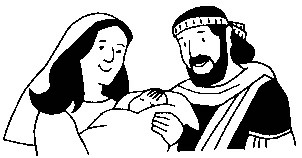
4:13¶ וַיִּקַּ֨ח בֹּ֤עַז אֶת־רוּת֙ וַתְּהִי־ל֣וֹ לְאִשָּׁ֔ה וַיָּבֹ֖א אֵלֶ֑יהָ וַיִּתֵּ֨ן יְהוָ֥ה לָ֛הּ הֵרָי֖וֹן וַתֵּ֥לֶד בֵּֽן׃
Vayikach Bo'az et-Rut vatehi-lo le'ishah vayavo Eleiha vayiten Adonai lah herayon vateled Ben.
So Bo'az took Rut, and she became his wife, and he had relations with her. And Adonai enabled her to conceive, and she gave birth to a son.
4:14 וַתֹּאמַ֤רְנָה הַנָּשִׁים֙ אֶֽל־נָעֳמִ֔י בָּר֣וּךְ יְהוָ֔ה אֲ֠שֶׁר לֹ֣א הִשְׁבִּ֥ית לָ֛ךְ גֹּאֵ֖ל הַיּ֑וֹם וְיִקָּרֵ֥א שְׁמ֖וֹ בְּיִשְׂרָאֵֽל׃
Vatomarnah hanashim el-No'omi baruch Adonai asher lo hishbit lach go'el hayom veyikare shemo beYisra'el.
Then the women said to No'omi, “Baruch Adonai who has not left you without a redeemer today, and may His Name become famous in Yisra'el.
4:15 וְהָ֤יָה לָךְ֙ לְמֵשִׁ֣יב נֶ֔פֶשׁ וּלְכַלְכֵּ֖ל אֶת־שֵׂיבָתֵ֑ךְ כִּ֣י כַלָּתֵ֤ךְ אֲֽשֶׁר־אֲהֵבַ֙תֶךְ֙ יְלָדַ֔תּוּ אֲשֶׁר־הִיא֙ ט֣וֹבָה לָ֔ךְ מִשִּׁבְעָ֖ה בָּנִֽים׃
Vehayah lach lemeshiv nefesh ulechalkel et-seivatech ki chalatech asher-ahevatech yeladatu asher-hi tovah lach mishiv'ah banim.
“May He also be to you one who restores life and sustains your old age; for your daughter-in-law, who loves you and is better to you than seven sons, has given birth to him.”
4:16 וַתִּקַּ֨ח נָעֳמִ֤י אֶת־הַיֶּ֙לֶד֙ וַתְּשִׁתֵ֣הוּ בְחֵיקָ֔הּ וַתְּהִי־ל֖וֹ לְאֹמֶֽנֶת׃
Vatikkach No'omi et-hayeled vateshitehu vecheikah vatehi-lo le'omenet.
Then No'omi took the child and laid him in her lap, and became his nurse.
The Genealogy of Bo'az
Mattityahu1:5
4:17 וַתִּקְרֶאנָה֩ ל֨וֹ הַשְּׁכֵנ֥וֹת שֵׁם֙ לֵאמֹ֔ר יֻלַּד־בֵּ֖ן לְנָעֳמִ֑י וַתִּקְרֶ֤אנָֽה שְׁמוֹ֙ עוֹבֵ֔ד ה֥וּא אֲבִי־יִשַׁ֖י אֲבִ֥י דָוִֽד׃ פ
Vatikrenah lo hashechenot shem lemor yulad-ben leNo'omi vatikrenah shemo Oved hu avi-Yishai avi David. פ
And the neighbor women gave him a name, saying, “A son has been born to No'omi!” So they named him Oved. He is the father of Yishai, the father of David. Verse 18-22 is sung
Toldot Peretz
4:18 וְאֵ֙לֶּה֙ תּוֹלְד֣וֹת פָּ֔רֶץ פֶּ֖רֶץ הוֹלִ֥יד אֶת־חֶצְרֽוֹן׃
Ve'eleh toledot Paretz Peretz holid et-Chetzron.
Now these are the generations of Peretz: Peretz fathered Chetzron,
4:19 וְחֶצְרוֹן֙ הוֹלִ֣יד אֶת־רָ֔ם וְרָ֖ם הוֹלִ֥יד אֶת־עַמִּֽינָדָֽב׃
VeChetzron holid et-Ram veRam holid et-Aminadav.
Chetzron fathered Ram, and Ram fathered Aminadav,
4:20 וְעַמִּֽינָדָב֙ הוֹלִ֣יד אֶת־נַחְשׁ֔וֹן וְנַחְשׁ֖וֹן הוֹלִ֥יד אֶת־שַׂלְמָֽה׃
Ve'Aminadav holid et-Nachshon veBachshon holid et-Salmah.
and Aminadav fathered Nachshon, and Nachshon fathered Salmah,
4:21 וְשַׂלְמוֹן֙ הוֹלִ֣יד אֶת־בֹּ֔עַז וּבֹ֖עַז הוֹלִ֥יד אֶת־עוֹבֵֽד׃
VeSalmon holid et-Bo'az uVo'az holid et-Oved.
and Salmon fathered Bo'az, and Bo'az fathered Oved,
4:22 וְעֹבֵד֙ הוֹלִ֣יד אֶת־יִשָׁ֔י וְיִשַׁ֖י הוֹלִ֥יד אֶת־דָּוִֽד׃
Ve'Oved holid et-Yishai veYishai holid et-David.
and Oved fathered Yishai, and Yishai fathered David.
